
Smart Grid Solutions for Tackling the Duck Curve
October 15, 2025. Dr. Nyangon has authored a new peer-reviewed publication in Energies titled “Smart Grid Strategies for Tackling the Duck Curve: A Qualitative Assessment of Digitalization, Battery Energy Storage, and Managed Rebound Effects Benefits.” The article provides a timely and in-depth qualitative assessment of how modern utilities can respond to growing operational challenges driven by renewable energy integration and evolving consumer behavior.
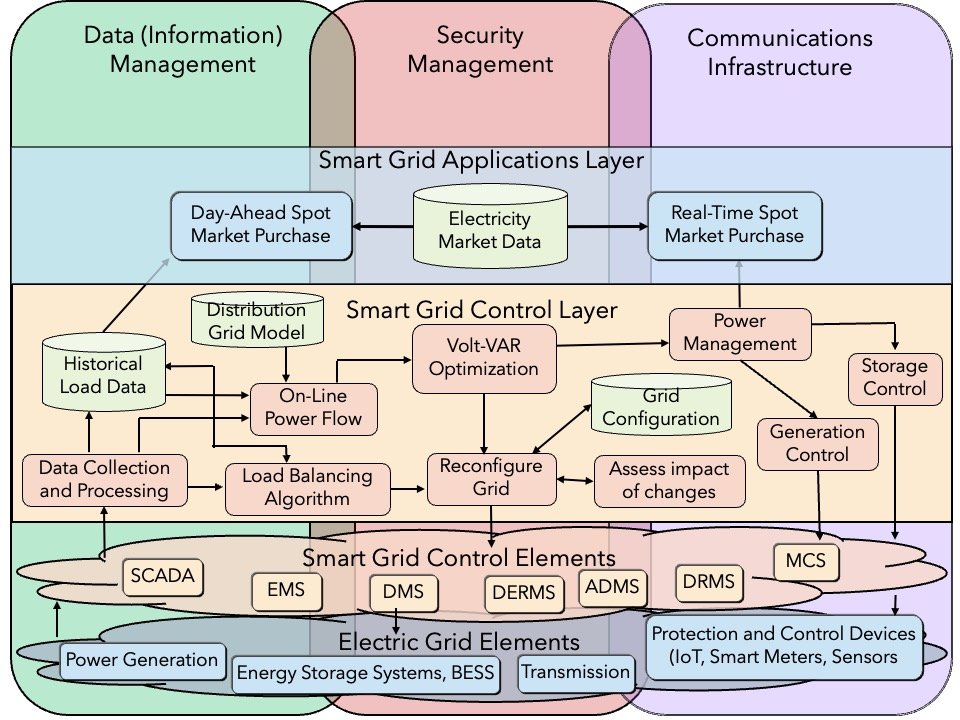
As U.S. electricity systems undergo rapid digital transformation, utilities are increasingly leveraging advanced technologies to manage peak demand, enhance flexibility, and maintain grid reliability. Dr. Nyangon’s study examines the combined role of digitalization, Battery Energy Storage Systems (BESSs), and adaptive rebound effect management in addressing the well-known “duck curve” phenomenon associated with high penetrations of solar generation.
The paper highlights how digital platforms—such as digital twins, smart meters, real-time monitoring systems, and AI-driven analytics—enable data-driven decision-making and optimized energy flows. It further underscores the value of BESS technologies in capturing excess renewable generation during off-peak periods and discharging energy during demand ramps, thereby smoothing net load variability. Importantly, the study emphasizes managed rebound effects to ensure that efficiency gains translate into real and sustained system benefits.
Together, these integrated strategies offer utilities a robust framework for improving grid resilience, reducing operational costs, and supporting sustainable energy management in an increasingly complex and decentralized electricity market.
ChatGPT can make mistakes. OpenAI doesn't use Joe Nyangon's Workspace workspace data to train its models.