
Physics-Informed AI for Maritime Energy and the Blue Economy
September 23, 2025. Dr. Nyangon has authored a new peer-reviewed publication, “Physics-Informed Neural Networks for Maritime Energy Systems and Blue Economy Innovations,” published in Machine Learning: Earth. The study offers a comprehensive review of how physics-informed artificial intelligence (AI) and machine learning (ML)—particularly physics-informed neural networks (PINNs)—can address some of the most pressing challenges facing marine and coastal systems.
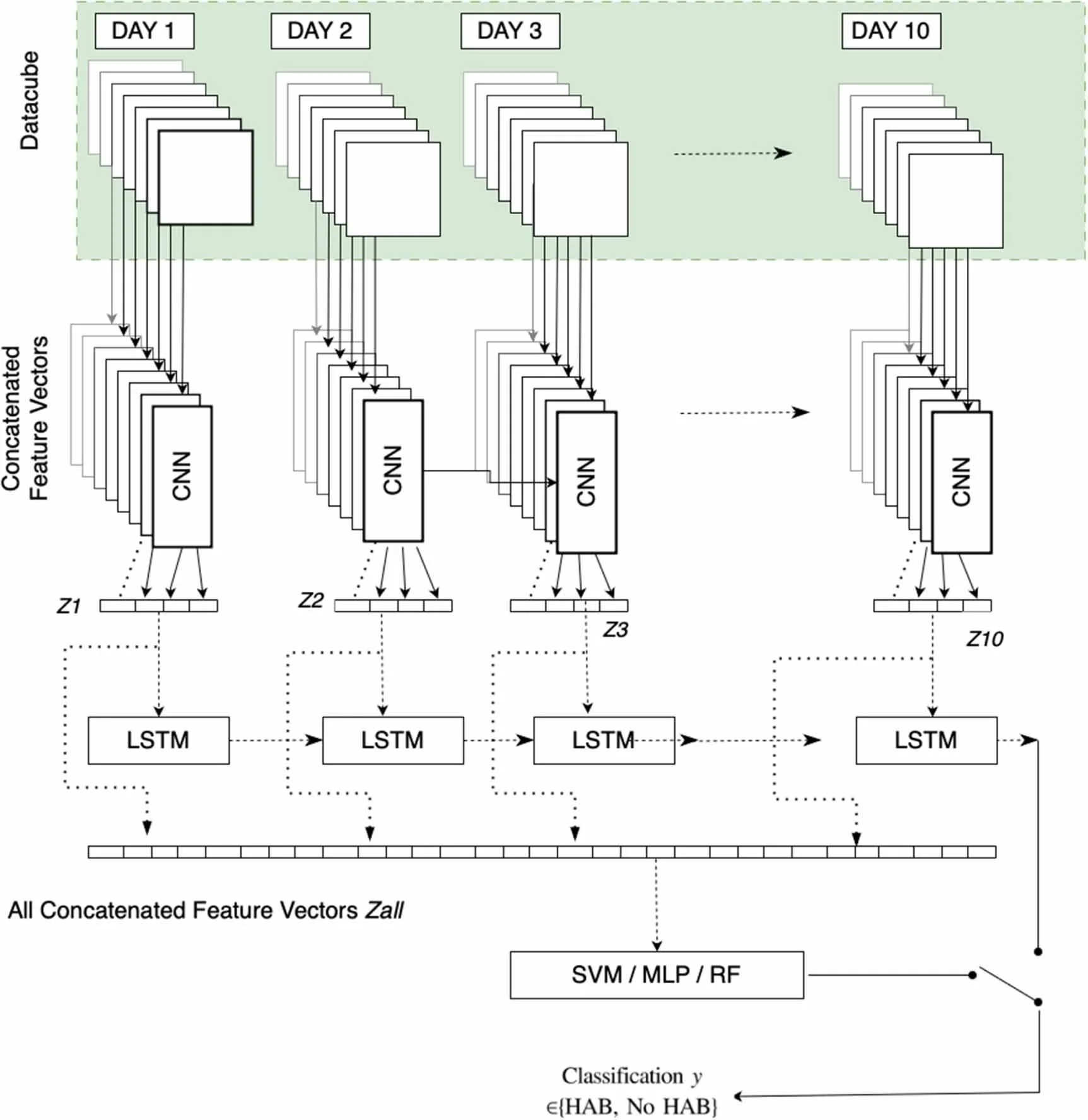
As the blue economy expands, decision-makers are confronted with complex issues spanning maritime energy services, climate change impacts, overfishing, pollution, and ecosystem degradation. The paper highlights how PINNs integrate governing physical laws directly into data-driven models, enabling high-fidelity simulations that remain consistent with real-world physics while leveraging observational data.
Drawing on advances from energy systems, healthcare, and aerospace, the authors demonstrate how PINN-based methods are being adapted to blue economy applications, including ocean current modeling, marine renewable energy optimization, and coastal hazard forecasting. The review further explores applications in sustainable fisheries management, harmful algal bloom detection, coral reef health monitoring, marine debris and plastic pollution identification, biodiversity assessment, and oil spill anomaly detection.
By bridging empirical data with the governing equations of marine ecosystems, the study underscores the potential of physics-informed AI/ML to deliver scalable, reliable insights. The authors conclude that PINNs can play a critical role in enabling resilient coastal management and supporting evidence-based policy and industry decisions for a sustainable blue economy.