
Managing Stranded Asset Risks in the Energy Sector with Analytics
SAS has published a new thought leadership blog by Dr. Joe Nyangon examining how analytics can help the power and utilities sector manage the growing risk of stranded assets in a rapidly decarbonizing world.
Titled Managing stranded asset risks in the energy sector with analytics, the article addresses the financial and reputational challenges utilities face as carbon-intensive assets—such as coal- and gas-fired power plants, coal mines and hydrocarbon reserves—become increasingly uneconomic due to policy, technology and market shifts.
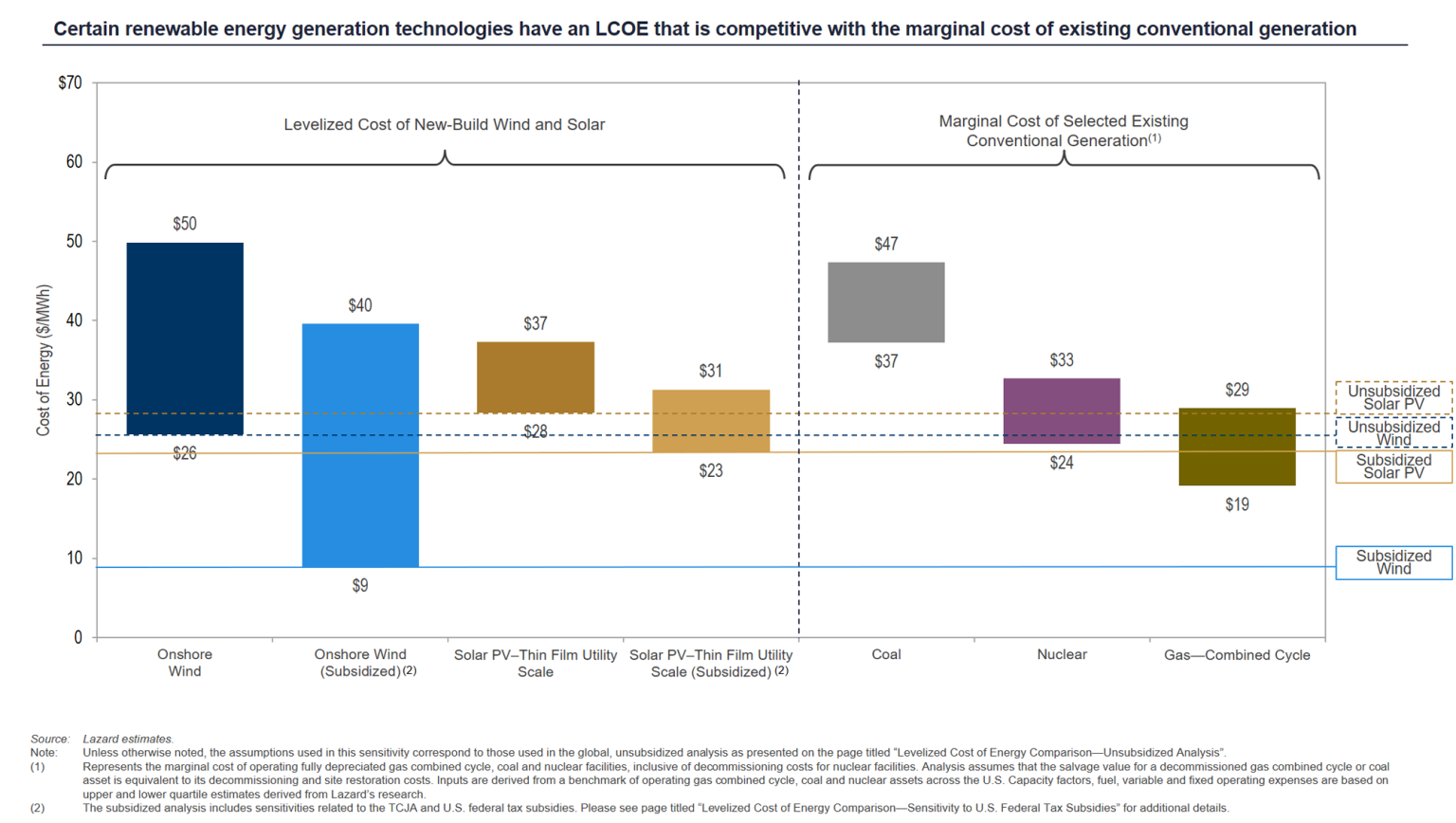
Dr. Nyangon explains that as environmental regulations tighten, renewable energy targets expand and consumer demand for clean energy accelerates, asset retirement is no longer a distant risk but an immediate strategic concern. Traditional planning approaches are insufficient to capture the pace and complexity of these changes.
The blog highlights how advanced analytics and data-driven models can help utilities quantify climate-related financial risks, evaluate retirement pathways and identify cost-effective renewable replacement strategies. By analyzing energy demand trends, fuel prices, regulatory developments and regional resource potential, utilities can make more informed investment decisions and improve grid integration of renewables such as solar, wind and battery storage.
This article underscores the critical role of analytics in enabling utility leaders to remain agile, resilient and financially sustainable during the energy transition.
The full blog is available on the SAS Blogs platform.